 A forecast surge in electric vehicles in Australia could drive up power bills and force expensive electricity network upgrades.
That is unless steps are taken to ensure EVs are charged up outside peak demand periods, Infrastructure Australia and the Australian Energy Market Operator (AEMO) have warned the senate’s electric vehicle enquiry, The Australian reports.
They are calling for a co-ordinated, national plan to deal with the expected EV growth.
It follows federal energy minister Josh Frydenberg’s prediction EVs on Australian roads will rise to a million by 2030 — up from about 8300 now.
The switch to EVs is inevitable and offers potential benefits to motorists and the economy, but without proper planning the transition “could come at significant cost”, Infrastructure Australia says.
Electrified fleets could put extra demands on the grid and increase consumer costs, it says.
The agency suggests price signals will be crucial in keeping costs down.
Its concerns are shared by AEMO, which told the senate select committee on EVs a rapid and uncoordinated uptake of EVs could have “adverse impacts on the power system”.
“An evening spike in demand … when drivers arrive home is consistent with EV research and can have a large impact on managing the power system and electricity prices,” AEMO says.
It wants a register of distributed energy resources — including EVs, home batteries and rooftop solar systems — to help it better manage the network.
AEMO says dynamic pricing structures will be important to overcoming challenges, including potentially encouraging EV owners to return power to the grid when required.
Better co-ordination with states and territories is required, it says.
The Clean Energy Finance Corporation (CEFC) says that by 2044 all cars sold in Australia will be electric.
If the government provided taxpayer-funded incentives to speed up the transition, that point would be reached almost a decade earlier, it says.
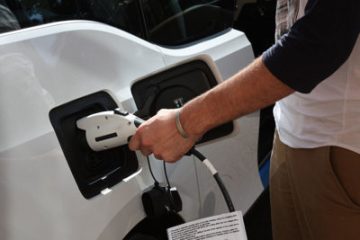
Modelling by Energeia suggests $1.7 billion worth of investment is required in charging infrastructure by 2040, CEFC says. About 70% of EV owners would have access to dedicated charging at home, while the rest would rely on public charging infrastructure.