The NSW Electric Vehicle Drive Day on July 4 gives fleet buyers the chance to test a range of EVS and talk to manufacturers and industry experts.
The event at Sydney’s Eastern Creek speedway showcases the latest range of battery EVs, plug-in hybrids and hydrogen fuel cell EVs, across 16 models and 21 vehicles.
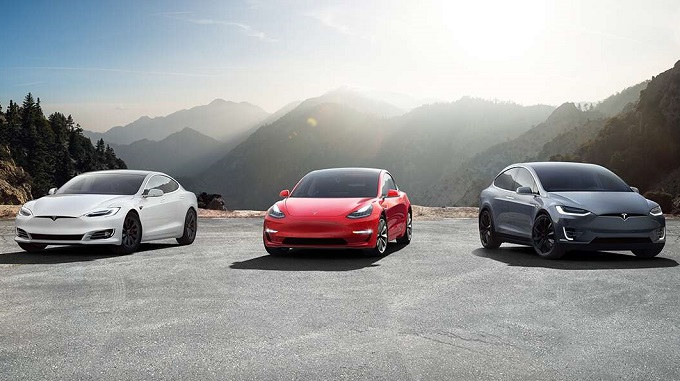
More than 100 registered fleet managers and buyers are meeting representatives from BMW, Hyundai, Jaguar, Kia, Mini, Mitsubishi, Nissan, Renault, SEA Electric, Tesla and Toyota.
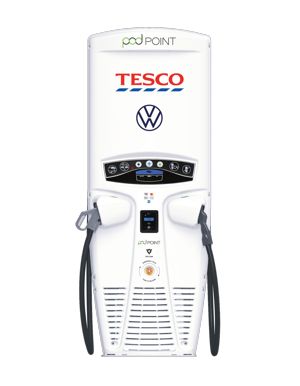
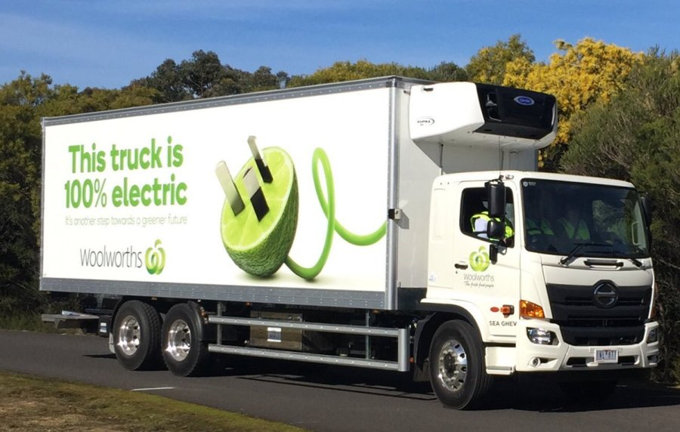
Highlights include a Toyota iRoad three-wheeled, two-seater EV, a remote self-parking fuel cell Hyundai, a Woolworths electric delivery truck built by Australia’s SEA Electric, and a charging station demonstration by Jet Charge/Chargefox.
The drive day is led by the Clean Energy Finance Corp (CEFC), whose chief executive officer Ian Learmonth says fleet buyers could play an important role in helping Australia tackle one of its toughest emissions challenges – transport.
Australia has about 19,000 businesses operating fleets with 20 vehicles or more, representing more than 2.1 million vehicles.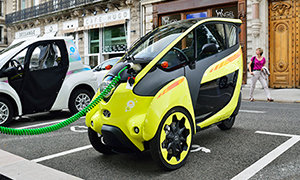
“Australians have traditionally been early adopters of new technology, but we have fallen behind the pack when it comes to EVs,” Learmonth says. “Fleets buyers purchase as many as one in five new
vehicles in Australia. We want to see EVs become their fleet vehicle of choice. It’s about using their market power to influence the way we use our roads and the impact we have on our environment.”
Australia is the world’s 16th largest car market but ranks 21st in terms of new EVs sold, according to the 2019 EV Outlook from Bloomberg New Energy Finance. While there are about 9100 EVs in
Australia, this is 25% lower than the much smaller New Zealand market.
“The reality is that we need to cut emissions right across our economy, from electricity to transport and more,” Learmonth says.
He adds that more Australians are putting in rooftop solar PV.
“We can also have a big impact on emissions if we put electric vehicles in our garages, supported by charging infrastructure.”
Learmonth says it will take time for more EV models to become available and their prices to come down.
“For fleet buyers, where driving needs are different, there is an opportunity for the EV transition to occur more quickly.”
Cars and light duty vehicles were responsible for 75% of Australia’s total transport emissions of 102 million tonnes in 2018, expected to grow to 2030, according to the National Greenhouse Gas Inventory.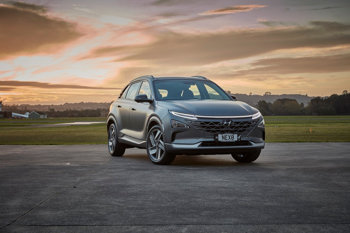
With the right combination of incentives, models and infrastructure, EV sales in Australia could surge from 2021, Energeia says, forecasting that EVs could represent 90% of all cars and light commercial vehicles by 2050.
The CEFC has helped finance more than 1000 EVs, invested about $500 million in low-emissions transport and is considering investments in EV charging infrastructure too.