
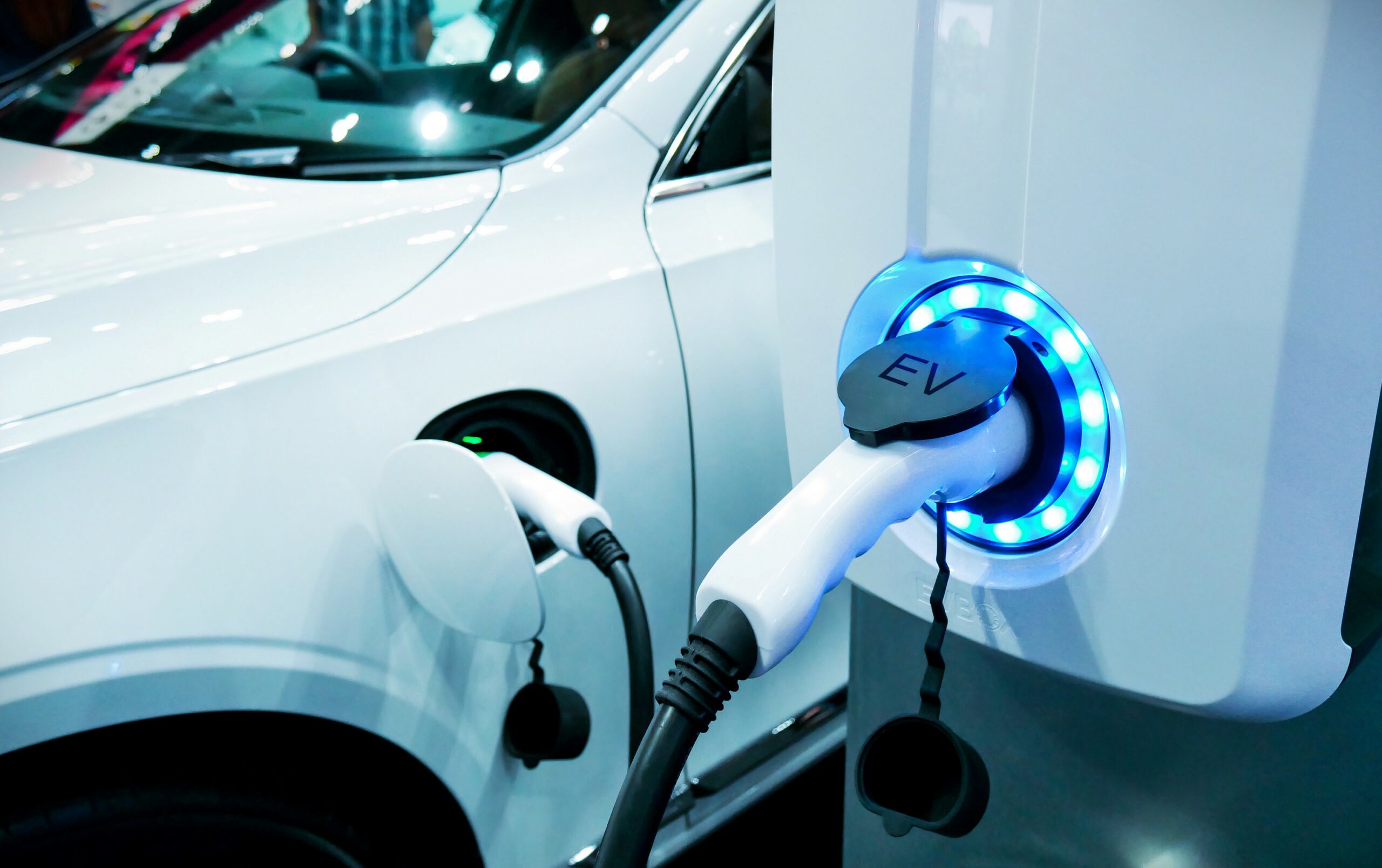
New Victorian EV subsidies and targets could help boost Australia’s EV standing says the Electric Vehicle Council (EVC) in welcoming the state government’s commitment to having half of all new car sales electric by 2030.
The Andrews Government has announced it will provide 20,000 subsidies of up to $3000 for new EV purchases under $69,000, as part of a $100 million plan to encourage EV sales – a welcome step, says EVC chief executive Behyad Jafari.

“This is exactly the kind of momentum we need in Australia if we want to join the rest of the world in embracing the transition to electric vehicles,” he adds.
“Only 0.1% of Victorian cars are currently electric. The subsidies announced could help drive that figure up sharply and put a huge dent in Victoria’s carbon emissions.”
Victoria will spend $19 million on new EV charging stations and $10 million to expand the government EV fleet by 400 cars within two years, plus it will establish an expert advisory panel regarding policies and infrastructure needed to meet the 50% target.
While the EVC and others have previously criticised the Victorian Government for announcing a tax on EV use, Jafari says the council has advanced a range of suggestions on how to improve Victoria’s EV tax, from staging its introduction from 2030 to limiting its impact to ensure electric car drivers pay less in tax than internal combustion engine (ICE) vehicles.
“The electric vehicle industry stands ready to assist the Victorian Government to get these policy settings right.”
Meanwhile, the Federal Chamber of Automotive Industries (FCAI) has welcomed the Victorian Government’s move towards a suite of EV incentives and supporting infrastructure investment and CO2 emissions targets for public and private vehicle fleets.

“We have worked closely with the Victorian Government to find a holistic approach to increasing the uptake of electric vehicles through specific investments and climate targets,” FCAI chief executive Tony Weber says.
“However, the FCAI has concerns over the ambitious target of 50% of new vehicle sales in Victoria being electric vehicles by 2030, warning that governments should focus on CO2 emissions targets rather than mandating specific technologies.
“If governments set the targets, the carmakers will deliver the range of vehicles into the market that achieve environmental outcomes and meet the needs of Australian motorists.”
Weber adds that Victoria’s latest stance highlights that the Federal Government risks missing an opportunity to provide leadership and policy direction on the increased take-up of zero and low emissions vehicles (ZLEVs).
Weber says Victoria’s EV incentives package is consistent with actions being taken by governments across the world.
“However, it does bring into question the decision of the Victorian Government to also introduce legislation that targets a road user charge on electric and plug-in hybrid vehicles,” says Weber, adding that the FCAI is keen to work further with the Victorian government and others.
While the Australian Automobile Association says Victoria’s package will make zero-emission vehicles more affordable, it says efforts by state governments to set vehicle sales and emissions targets are a major concern and the direct result of ongoing failure of the Federal Government to deliver a coherent, coordinated, nationally consistent approach to vehicle emissions reduction.

“Drivers don’t want a patchwork of different policies that deliver different vehicles and differing car prices into different states,” AAA managing director Michael Bradley says.
Solar Citizens national director Ellen Roberts says further detail is needed on how Victoria will achieve the 50% target, “particularly in light of the ongoing impact of the road user charge which will be levied exclusively on electric vehicles”.

