
July has seen a massive swing to EVs in new vehicle sales figures released by the Federal Chamber of Automotive Industries (FCAI).
Much of that is attributed to strong demand for EVs and plug-in hybrids (PHEVs) in Victoria and New South Wales where state governments have introduced incentives for them and continuing charging infrastructure investment, FCAI chief executive Tony Weber says.
“In Victoria, EV sales were up 191.1% and PHEV sales up 161.3% compared with July 2020,” he says. “In NSW, EV sales increased by 260% and PHEVs by 84.9%.”
Weber says the overall market remains strong in spite of the impacts of lockdowns on major retail locations.
The newly released VFACTS figures for July show new electric passenger sales were up 113.3% (from 75 in July 2020 to 160 last month) and 107.8% year-to-date (from 490 to 1018), while PHEV sales in that category were up 61.9% (from 21 to 34) and 20.2% year-to-date (YTD), going from 198 to 238.
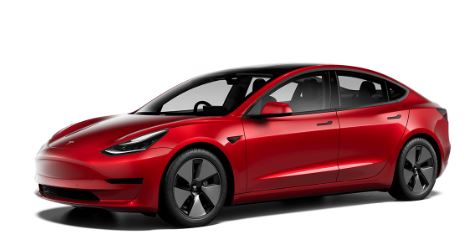
The electric sales mainly reflect the surge in Tesla Model 3 sales in Australia, although other EV brands are having success there too.
Hydrogen-powered new vehicle sales increased by two in the monthly comparisons and went from zero to nine in YTD figures.
Interestingly, hybrid sales fell 16.6% in the passenger vehicle category (from 2307 to 1923), although YTD comparisons show a 13.1% rise (from 14,143 to 15,994), perhaps reflecting the move to EVs.
Diesel and petrol vehicle sales were generally down as well, apart from in the popular SUV sector, with light commercial diesel sales recording an increase too.
Electrics were also up in the SUV category, recording huge rises in both monthly and YTD comparisons (475.1% – 63 to 351, and 314% – 406 to 1681 respectively).
PHEVs also surged in the SUV sector from 111 to 291 (up 162.2%) and from 689 to 1527 (121.8%) in July and YTD comparisons respectively.
In the same SUV category, hydrogen-fuelled vehicle sales increased from zero to five in July comparisons and from zero to 25 in YTD comparisons, probably reflecting the number of demonstration and trial H2 vehicles introduced (mainly Hyundai Nexos).
Hybrids dropped in the SUV sector by 25.9% (4358 to 3229) in July comparisons but recorded a 63.9% rise in YTD comparisons (from 15,754 to 25,816).
Light commercial electrics increased by four in July comparisons and went from 13 to 33 in YTD comparisons.

