The Northern Territory has a role to play in the future of electric vehicles both in Australia and globally.
So says the Electric Vehicle Council of Australia in a submission to the NT’s discussion paper Preparing the Northern Territory for Electric Vehicles.
The paper is the first step in the Northern Territory Government’s EV Strategy Plan preparation.
“There is growing interest nationally and at the Territory level in the development of EV policy, programs and infrastructure,” the paper’s introduction says.
“Purchase price is currently a major disincentive to EV uptake in Australia, with the majority of EV models available in Australia costing over $60,000.
“However, several new EV models, including lower cost models, are arriving, or are scheduled for release in Australia. With the introduction of lower cost EVs into Australia over the next few years, there is likely to be increased use of EVs and greater demand for supporting infrastructure.”
The paper adds that the Territory covers a large land area and has a small, widely dispersed population, with many remote communities.
“In addition, the Northern Territory’s major urban centres are geographically isolated from the rest of Australia and experience extreme climatic conditions.
“These unique characteristics will present challenges for the increasing use of EVs across the Northern Territory.”
The paper focuses on battery electric vehicles (BEVs) and plug-in hybrid electric vehicles (PHEVs) as it says they are likely to represent the most significant change in Australia’s vehicle fleet in the short to medium term. Passenger and light commercial vehicles will be studied closely too as these are likely to see the greatest area of growth.
Hybrid vehicles are not included in the paper’s scope “as they do not represent a significant shift from conventional vehicles and don’t have the potential to operate as zero emission vehicles”.
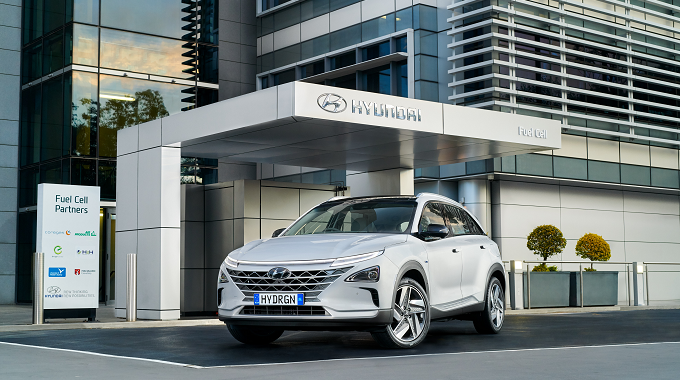
The paper doesn’t cover hydrogen fuel cell vehicles (FCEVs) or autonomous vehicles (AVs) either, mainly because they are being considered at a national level.
The EVC says an NT EV strategy will help the territory capitalise on its vast supplies of lithium, cobalt and nickel, encourage EV uptake, assist with EV charging infrastructure and reduce health and climate impacts.