
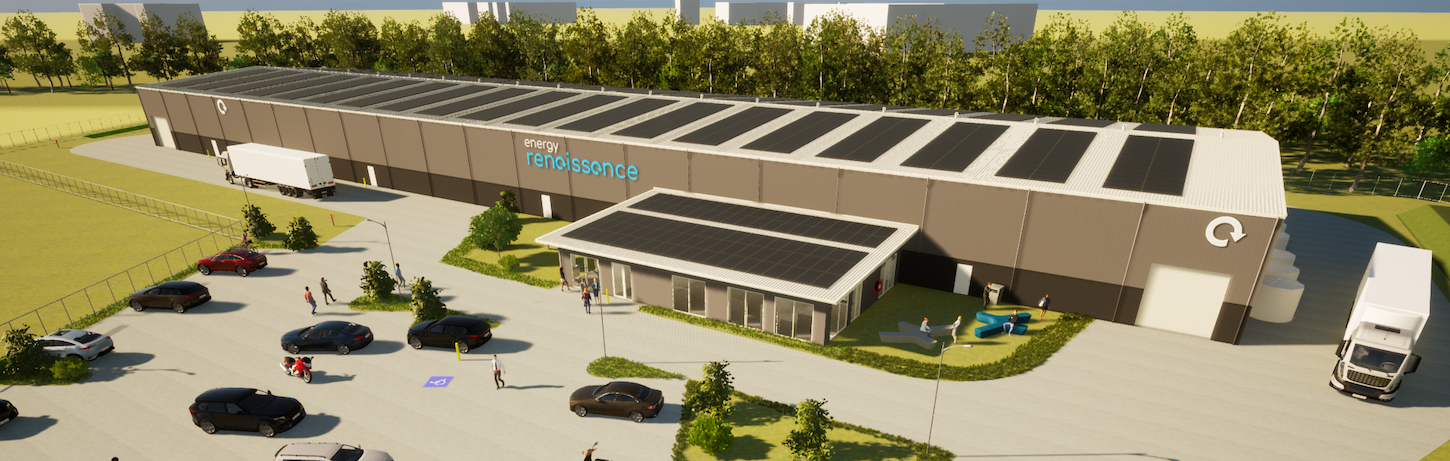
New South Wales lithium-ion battery manufacturer Energy Renaissance says it has received an additional $525,072 grant from the Advanced Manufacturing Growth Centre (AMGC) to develop processes and workforce skills for its pilot manufacturing facility at Tomago, New South Wales.
It will be used to build its superStorage batteries, with the co-funded grant including financial and in-kind contributions matched by Energy Renaissance for a total project value of $1.48 million.
With the additional funding, Energy Renaissance says it will accelerate the development of scalable process, and procedures from a 2700 square metre pilot facility in Tomago.
Funding from this grant will allow rapid testing and the development of a scalable, manufacturing line and trained workforce that will inform the technology, systems and processes for Renaissance One, Energy Renaissance’s 4400 square metre battery manufacturing facility in Tomago due for completion in February 2022.
“AMGC has played a strategic role by supporting Energy Renaissance with a seed funding round last year that went towards the design and prototyping of our superStorage battery,” Energy Renaissance technology and development director Brian Craighead says.
“The new funding injection from AMGC will now help us to scale-up towards commercial production and accelerate our ability to manufacture batteries faster.
“This is a win for Australia, our economy and workforce as we ascend the stage to become a global battery manufacturing powerhouse.”
AMGC managing director Dr Jens Goennemann says Australia relies heavily on imported batteries, a reliance Energy Renaissance is committed to changing.
“By investing in local manufacturing, upskilling a new workforce for manufacturing and developing an innovative battery solution, Energy Renaissance will showcase how Australia can and will have a global competitive edge in battery manufacturing.”
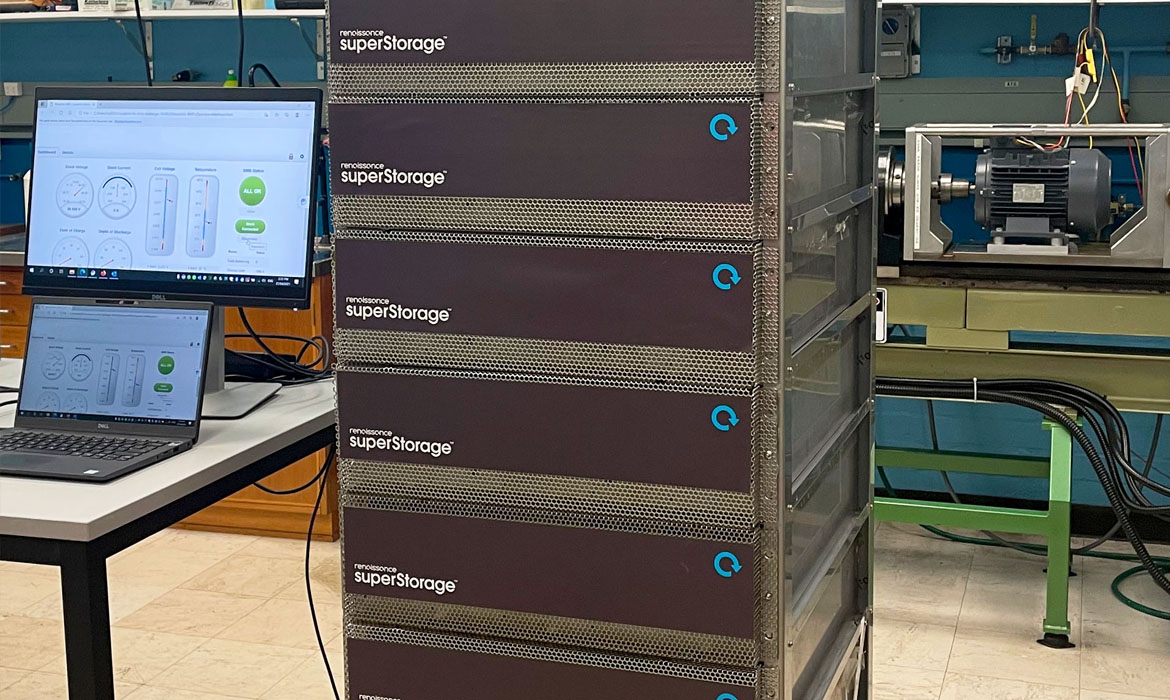
Energy Renaissance manufactures Australian made batteries that it says are safe, secure, affordable and optimised to perform in hot climates.
These batteries will power stationary (grid and microgrid, renewables, community storage, mining electrification, Defence SilentWatch applications) and transport (buses, light commercial and industrial vehicles) applications.

