 Tougher measures for drunk and distracted drivers, targeted education campaigns and preparing Queensland’s road for new transport technology are among a 50-point action plan to reduce the state’s road toll.
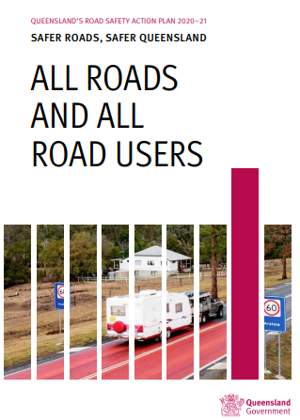
The actions are part of the Palaszczuk Government’s Queensland Road Safety Action Plan 2020-21 to support the government’s goal of achieving zero fatalities and serious injuries.
The latest iteration of the action plan had been informed by a series of road safety-focused community workshops and events held across Queensland over the past year, transport and main roads minister Mark Bailey says.
“Zero deaths on our roads may sound like an ambitious vision, but it’s the only acceptable vision we can aim for,” he says.
“More than 17 people are killed or seriously injured Queensland roads every day.
“Every one of these casualties has a ripple effect on individuals, families and communities across Queensland.”
Bailey says new cameras that detect drivers using mobile phones illegally will be trialled in Queensland next year, following the introduction of $1000 fines for drivers caught using their phone behind the wheel from February 1.
“Penalties go hand in hand with enforcement and under the new action plan the Department of Transport and Main Roads will work with Queensland Police to trial cameras which detect drivers using mobile phones,” he says.
“Road casualties dropped significantly when speed cameras were introduced in the late 1990s.
“This technology offers the same opportunity to improve road safety by reducing mobile phone distraction.”
The cameras will also target people not wearing seatbelts.
Bailey says the action plan has a strong focus on improving road infrastructure, particularly for pedestrians, bike riders and motorcyclists.
Initiatives delivered under 2012-2021 road safety strategy has seen a 35% decrease in the number of people killed on roads since 2008-2009.
Actions include delivering new education programs for drink drivers and reforms to the Alcohol Ignition Interlock Program, installing flashing school signs at an additional 200 school zones, a pilot of connected and automated vehicles fitted with Cooperative Intelligent Transport Systems, and establishing a database of Queensland speed limits for connected vehicles and assisting in the development of speed management initiatives.